Introduction: Understanding the Underconsumption Core Trend
What Is the Underconsumption Core Trend?

The underconsumption core trend is more than just a passing fad. It’s a growing response to the culture of overconsumption, where consumers, fueled by social media “haul” culture, continually buy new items to keep up with trends. In 2026, the backlash against this behavior is becoming a cultural force.
Underconsumption core advocates for a shift in how we interact with products. It’s about:
- Buying less but choosing better quality
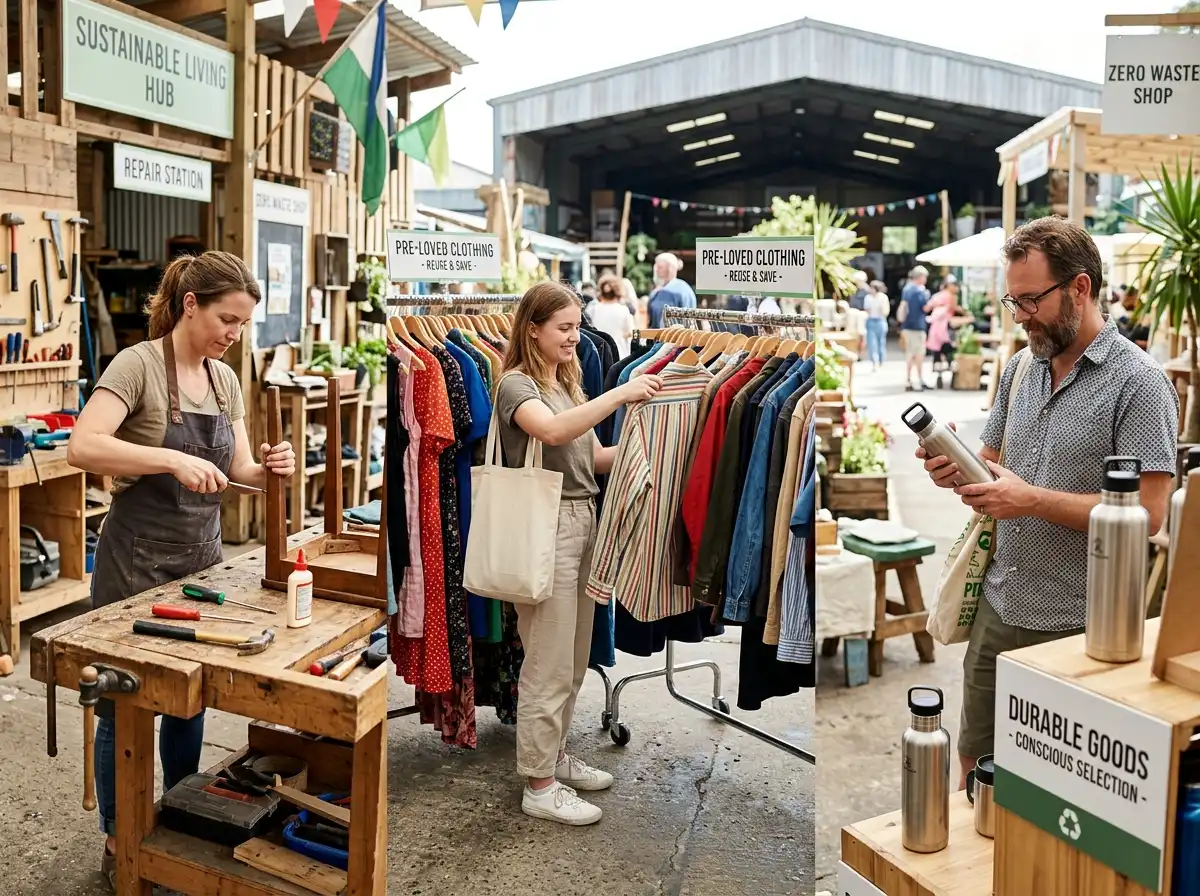
- Repairing, reusing, and upcycling items rather than discarding them
- Emphasizing durability and utility over fleeting trends
The rise of social media influencers pushing for minimalism and sustainable living has contributed to the growth of this trend. However, it’s different from traditional minimalism, which often advocates for reducing possessions to a strict minimum. Underconsumption focuses on *mindful ownership* and making intentional purchases that are built to last.
Why Is the Underconsumption Core Trend Important?
The underconsumption trend is particularly relevant in 2026 due to the ongoing global economic changes. With inflation affecting budgets, consumers are reconsidering their buying habits. Rather than mindlessly purchasing the latest gadgets, fast fashion, or home décor, people are increasingly focused on making smarter decisions that benefit both their wallets and the planet.
This shift is also driven by growing concerns about environmental sustainability. Fast fashion and the constant churn of new products contribute significantly to waste and pollution. The underconsumption core offers a practical solution, encouraging people to buy less but make their purchases count.
As more people embrace this trend, companies are beginning to respond by offering longer-lasting, repairable, and more sustainable products. Consumers now have the power to push brands toward more responsible production practices.
Key Characteristics of Underconsumption Core
The underconsumption core trend is not just about buying less; it’s about *buying better* and adopting habits that encourage sustainability and responsibility. Key aspects of the trend include:
- Mindful Buying: Prioritizing needs over wants and carefully evaluating the longevity and utility of products.
- Quality Over Quantity: Focusing on high-quality, durable items that will last longer instead of cheap, disposable products.
- Second-Hand and Refurbished Goods: Turning to second-hand markets or buying refurbished products as a way to reduce waste and lower environmental impact.
- Repair and Reuse: Repairing broken or worn items instead of throwing them away, embracing the “fix-it” mentality.
How to Adopt the Underconsumption Core Trend in Your Life
 Adopting the underconsumption core lifestyle doesn’t mean you have to stop buying products entirely. Instead, it’s about making more thoughtful, intentional decisions about your purchases. Here’s how you can integrate underconsumption into your daily life:
1. Buy Less, Choose Wisely
Before making a purchase, ask yourself: “Do I really need this? Will it last, or will it be a temporary trend?” Avoid the urge to buy items simply because they’re on sale or because everyone else is buying them. Focus on purchasing items that offer long-term value.
2. Repair and Upcycle
Rather than throwing away broken or worn-out items, explore repair options. Whether it’s fixing a torn pair of jeans, re‑soling your favorite shoes, or upgrading your electronics, repair and reuse can significantly extend the lifespan of your belongings.
3. Support Sustainable Brands
When you do need to purchase something, opt for brands that prioritize sustainability. Look for companies that offer durable products, use eco-friendly materials, and practice ethical production processes.
4. Explore Second-Hand Options
Shopping second-hand is not only budget-friendly but also eco-friendly. Thrift stores, online marketplaces, and vintage shops offer a wide variety of products that are often just as good as new — and sometimes even better because they have stood the test of time.
Examples of Underconsumption in Action
The underconsumption core is gaining traction, especially among younger generations. Popular examples include:
- Buying a quality leather bag that can last for years rather than purchasing multiple cheap bags over time.
- Using platforms like eBay or Depop to purchase second-hand clothing, reducing waste from fast fashion.
- Fixing and upcycling old furniture to give it new life instead of purchasing brand-new pieces.
Conclusion: The Future of Shopping in 2026
As 2026 unfolds, the underconsumption core trend will likely continue to grow, influencing how we view shopping, consumption, and sustainability. This shift is not just about buying fewer things but about making smarter, more intentional decisions that benefit our wallets, the planet, and our overall well-being.
For anyone looking to adopt a more mindful, sustainable lifestyle, the underconsumption core offers a practical framework to rethink your consumption habits and make choices that align with your values.